Showing posts with label GIBSON. Show all posts

Monday, September 12, 2011

Gibson Robot Guitar

The Gibson Robot Guitar (a.k.a GOR) typically refers to a sub-class of Les Paul style guitars from Gibson. This is because the first run of limited edition Robot Guitars was exclusively made up of Les Paul bodies. Currently, there are five different Gibson models available with Robot Guitar features: The Robot Les Paul Studio, Robot SG, Robot Flying V, Robot Explorer, and a Robot Les Paul Junior. Developed by Chris Adams, its most notable feature is that it uses an onboard computer to automatically tune itself. This is not the first guitar to be able to tune itself, but it is regarded as the most modern, unique, and un-invasive self-tuning model available, because it does not employ cams or cantilevers throughout the body of the guitar. The non-limited edition SG and Les Paul Studio are available in a variety of finishes. The Flying V and Explorer are only available in metallic red. The price can range from about $1,000-$3,000 or more for custom options. In the case of the "Original 1st Production" Robot guitar, the only finish available was Blue Silverburst nitrocellulose (as in the photo to the right), and it is notable because Gibson have stated in the Robot marketing materials that (the color) "will never be used on any other Gibson guitar". The original Robot guitar also featured headstock and neck binding which are not standard on any current Les Paul Robot.


Gibson Robot Guitar
Technical information

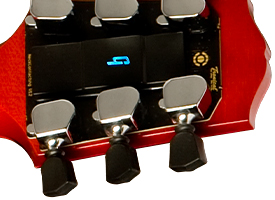
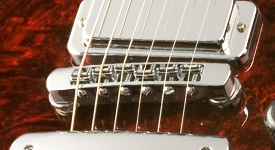
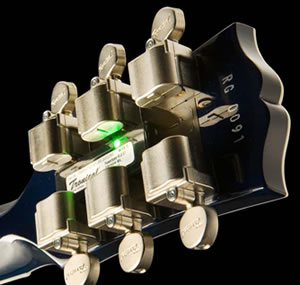
The tuning system used on the Gibson Robot Guitar is based on the aftermarket Powertune system, which was developed by the Tronical Company of Germany. The Gibson system uses the standard Tune-o-matic style bridge typical on their guitars, but modifications were made to have individual piezo saddles that transmit each string's pitch to the microprocessor. The computer analyzes the signal, and then controls each of the Powerhead Locking Tuners. Each tuner is run by a small servo motor that works in sync with the bridge to bring the string up to pitch by altering the string's tension until it is within a desired tolerance. The entire system is powered by a lithium-ion rechargeable battery housed in the control cavity of the guitar.

Features and functionality

The Robot Guitar has the standard four knobs for individual pickup volume and tone controls; however, in place of the bridge pickup tone knob, there is the Master Control Knob (MCK). The control functions like a “push-pull” knob: when in the down position, it functions like a standard control. When in the up position, however, the MCK is what coordinates the automatic tuning for the guitar by sending the information and power to the neck PCB through the strings. Then the PCB activates the robot tuners by contact.

Gibson Robot Guitar

Post-sale service and repairs

So far, there are no spare parts for sale to the general public from Gibson, nor from Tronical, and the batteries and another lesser importance adds are long ago out of stock, so in case of maintenance or repair needed, the owner should send the guitar to one of the four Gibson robot guitar maintenance authorized dealers in U.S. There are forums specialized in commenting the multiple electronic and mechanical issues in the robot tuning systems. The Dark Fire production was closed (v2), and new -Dusk Tiger and Firebird X - are the new versions. The v2 is radically different from v1.

Tuning

Users can choose from seven factory presets for tunings, six of which are editable:

Each tuning is selected by highlighting a specific string letter on the MCK.

    E - E B E G# B E - Open E
    A - D A D G A D - D Modal
    D - D A D G B E - "Drop D"
    G - D G D G B D - Open G
    B - Eb Ab Db Gb Bb Eb - "'Standard' down one half step"
    e - D A D G B D - "Double Drop D"

Gibson Robot Guitar

Each tuning can be returned to "standard" tuning of A (440Hz) by simply pulling up on the MCK knob, and strumming the strings lightly.

Out of the box, the guitar is calibrated to use a 0.10 gauge set of strings, and will tune up within a tolerance of one cent. The calibration can be changed to heavier or lighter strings, and the tolerance can be changed as well. The greater tolerance the user is willing to bear, the faster the Robot Guitar will tune itself. On the fastest setting, Gibson claims that the guitar will tune up in about 15 seconds with a tolerance of 2.5 cents. The onboard computer allows for each of the preset tunings to be overridden by user inputs, but the factory presets can be restored by resetting the computer.
Gibson Robot Guitar

According to company press releases, the system allows for 200 tunings before the battery has to be recharged. This is accomplished with a standard ¼” patch cable connected into a provided AC adaptor, and takes about 90 minutes for a full charge.

The system can be disabled and tuned just like a regular guitar. To do this, it requires the user to disengage the tuning button, making the adjustment manually, and re-engaging the system once the adjustment is complete.

Similar systems

While Gibson advertised the guitar in America as a "world first," similar systems developed by Transperformance have been in use for decades. Jimmy Page currently uses a Les Paul Goldtop with the Transperformance system in it. This system is also endorsed by Graham Nash (The Hollies, CSN) as well as Ed Roland (Collective Soul). The drawback to the Transperformance system is that it requires heavy modification to the instrument, including routing and installing multiple cams and cantilevers.

Friday, July 1, 2011

Gibson Firebird X Guitar

Firebird X
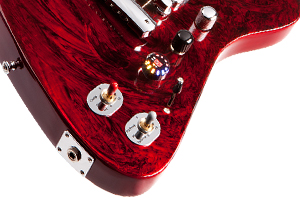
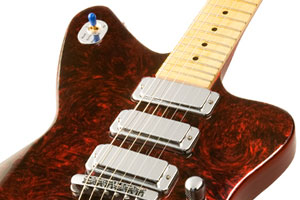
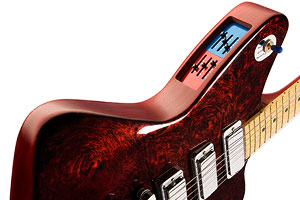
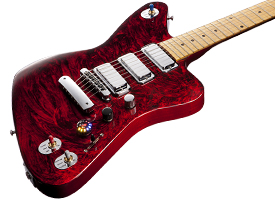
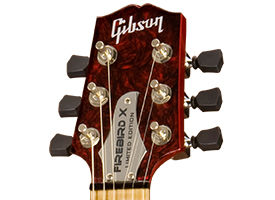
The Firebird X guitar takes the guitar instrument to new heights of functionality and usability for the professional player and the aspiring enthusiast. Using technologies that did not exist even a few years ago, we have enhanced an already outstanding instrument to unbelievable performance and creative heights. The enhancements touch every aspect of the instrument, from using improved manufacturing technologies to the latest electronics. Firebird X is like the world’s best street legal sports car in looks, feel and performance.

Gibson Firebird X Guitar

Features
The Firebird X System
All capabilities must be simple to use - an extension of the way a guitar player thinks about his current guitar and rig. Our design goal is to bring more creative options to the player while he or she is playing. Thus the user interface will become richer and simpler. Fundamental musical effects will now become available with a minimum of motion and disruption from playing the music. At the same time, the player will be able to see what is happening with the guitar environment very easily, again without disrupting his making music.

20 Revolutionary Features
"Revolution" is a powerful word — and not one to be thrown around lightly. It indicates a sweeping change, obliterating the past and ushering in a new era. Firebird X does just that, with features that would have seemed like science fiction just a few years ago. If you don't believe us, take a tour of this beast and decide for yourself.

Gibson Firebird X Guitar

The Guitar
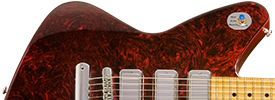
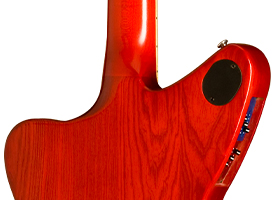
This guitar is clearly evolved from a Gibson Firebird, evocative of a rich history, but with contemporary features. With its hand-applied and unique high-end wood finish, the Firebird X is not unlike a cross between a vintage sports car and a modern sports racer. It is beautiful, historical and yet contemporary and unique. With a limited run of just 1,800 units, it is sure to become a collector classic.

Gibson Firebird X Guitar

The Accessories
The Firebird X guitar comes with several accessories that enhance the playing experience. We have looked at every detail of this guitar system, like a fine sports car, to make it a joy to use, and to maximize your ability to create and play.

3rd Party Apps
The entire Firebird X system is designed to a new Gibson standard, which will allow other companies to develop hardware and applications that can integrate with any guitar that uses this standard, including the Firebird X.

Gibson Firebird X Guitar


Specs

Body
Species Ash
Binding None
Body Type Chambered
Average Weight 2.3 lbs
Average Total Weight 7 lbs

Gibson Firebird X Guitar

Tuners
Model RoboHead
Plating Black
Tuning Ratio 24:1

Tuners

Neck
Species 1-Piece Maple
Profile New FBX Neck Profile (.8/.925)
Truss Rod Standard
Joint Angle 4.0°
Neck
Bridge
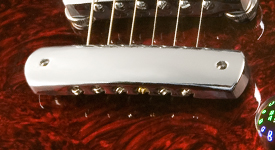
Type TOM / Piezo Robot guitar
Material Zamac
Plating .07 Chrome
Bridge

Neck Fit
Joint Mortise & Tenon
Joint Angle Tolerance +/- .005"
Neck Fit

Tailpiece
Type Stop Bar Robot
Material Zamac
Plating .07 Chrome
Tailpiece

Fingerboard
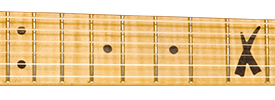
Species Curly Maple
Scale Length 24.75"
Frets 23
Radius 12"
Nut/E.O.B 1.695 / 2.273
Inlays Ebony
Fingerboard
Hardware
Control Plates Back cover: FBX Molded w/Battery Box
Switch cover: Molded
Strings .009 - .052
Strap Buttons Aluminum
Hardware
Nut
Material Black Tefzell
Width 1.695
Nut
Pickups
Coil Wiring Bifilar
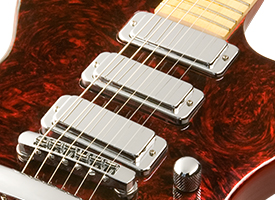
Neck Position FBX - Alnico V
Middle Position FBX - Ceramic
Bridge Position FBX - Alnico II
Pickups
Headstock
Logo Mother of Pearl
Truss Rod Cover Chrome Etched Firebird X Limited Edition logo
Angle 17 degrees
Binding 1 ply White

Headstock
Electronics
Output Jack Locking Neutrik ¼”/XLR stereo
Electronics

Controls
Volume Control Chrome/knurled
Tone Control Momentary switch, Black Chrome/knurled
Pickup Switch 5-way pickup selector
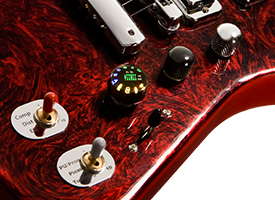
Gear Shift™ Knob 11 position rotary knob
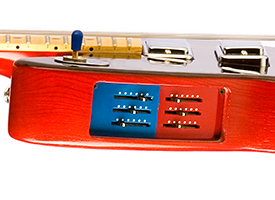
Effects Faders (Blue) Modulation / Echo / Reverb

(Red) Compression / Distortion / EQ
Tog-Pots 3 position with wet/dry blend

(Blue) Modulation / Reverb / Echoplex

(Red) Compression / Distortion / EQ

(Silver) Pickup programming / Piezo / Tuning
Electronics

Wednesday, June 29, 2011

gibson bass guitar

Gibson USA
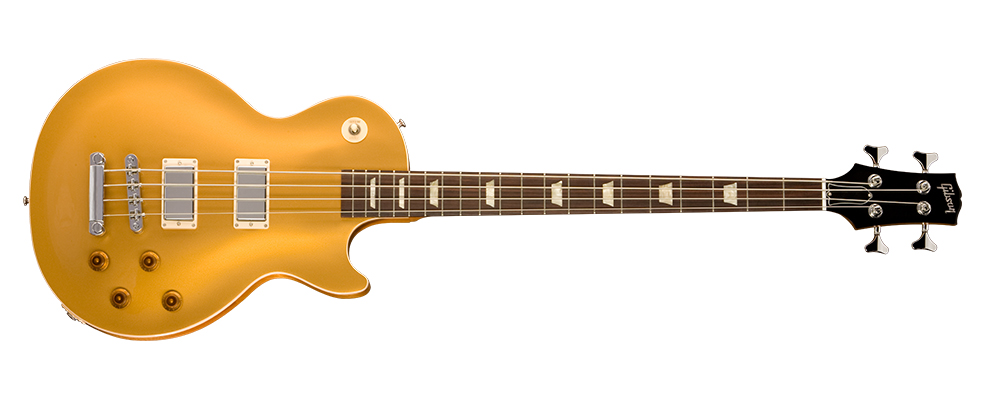
Les Paul Standard Bass Oversized

gibson electric bass guitar

Gibson USA
Thunderbird Short Scale Bass

gibson electric bass guitar

Gibson USA
LP Junior DC Bass

gibson electric bass guitar

Gibson USA
Tobias Growler

gibson electric bass guitar

Gibson USA
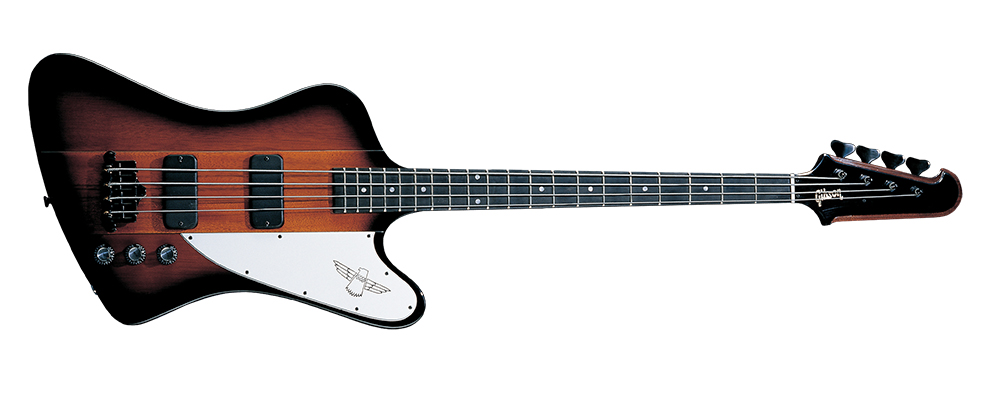
Thunderbird IV Bass

gibson electric bass guitar

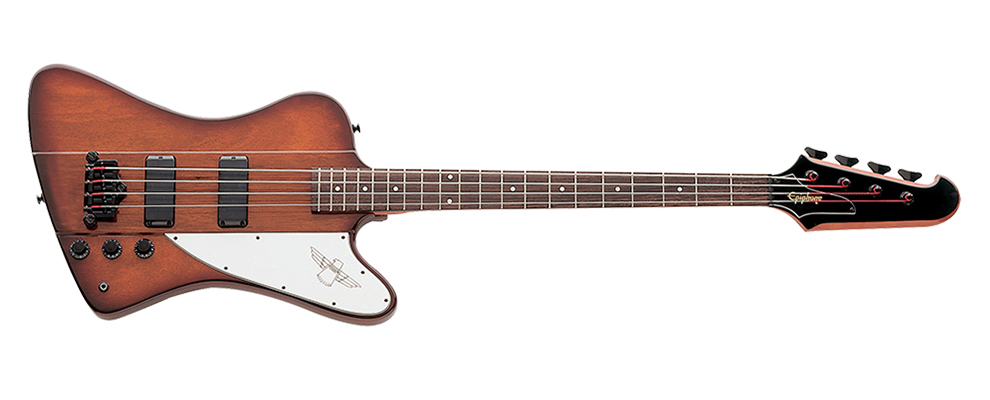
Epiphone
Thunderbird IV

gibson electric bass guitar

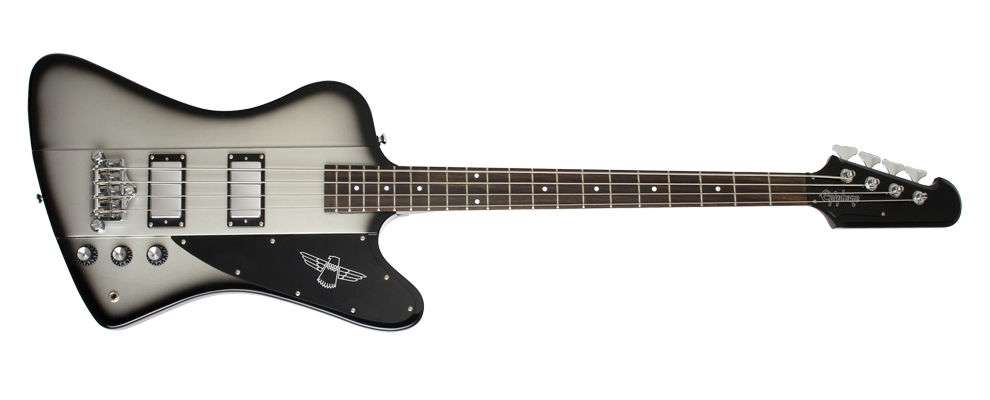
Epiphone
Ltd Ed Silverburst Thunderbird IV

gibson electric bass guitar

Gibson USA
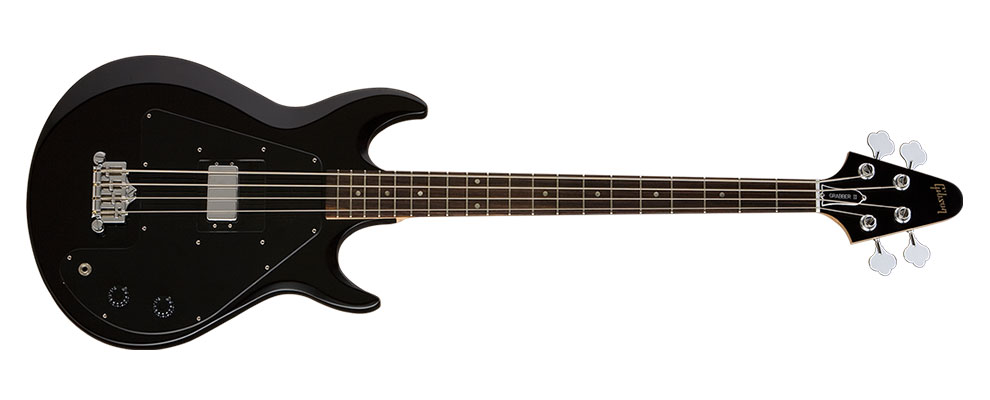
Grabber II Bass

gibson electric bass guitar

Gibson USA
BFG Bass

gibson electric bass guitar

Gibson USA
Nikki Sixx Thunderbird Bass

gibson electric bass guitar

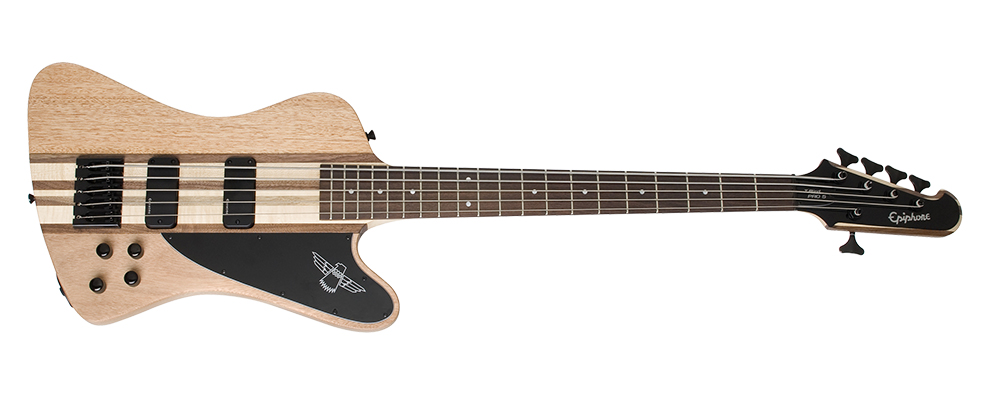
Epiphone
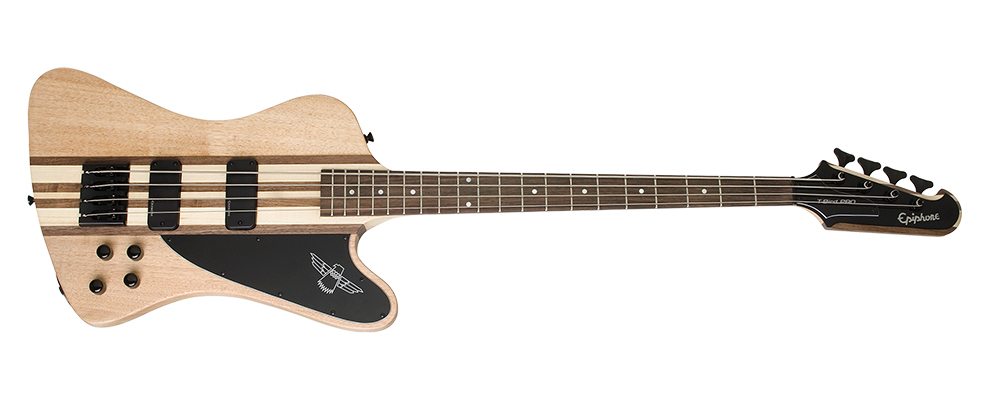
Thunderbird Pro V

gibson electric bass guitar

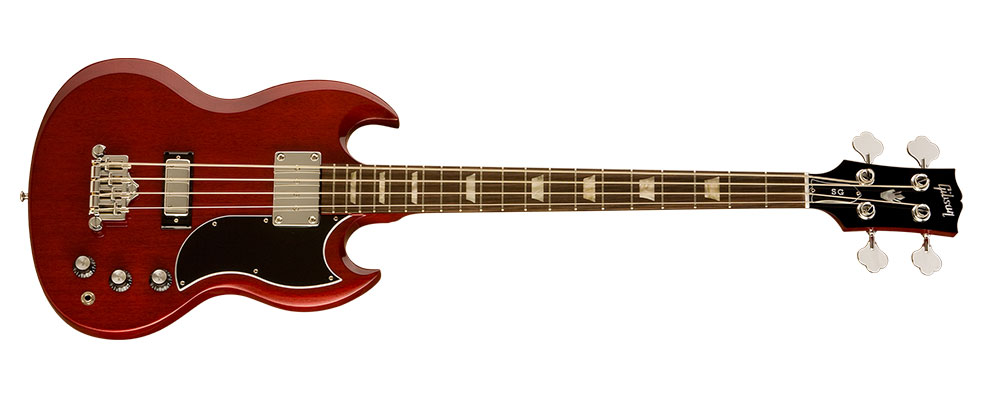
Gibson USA
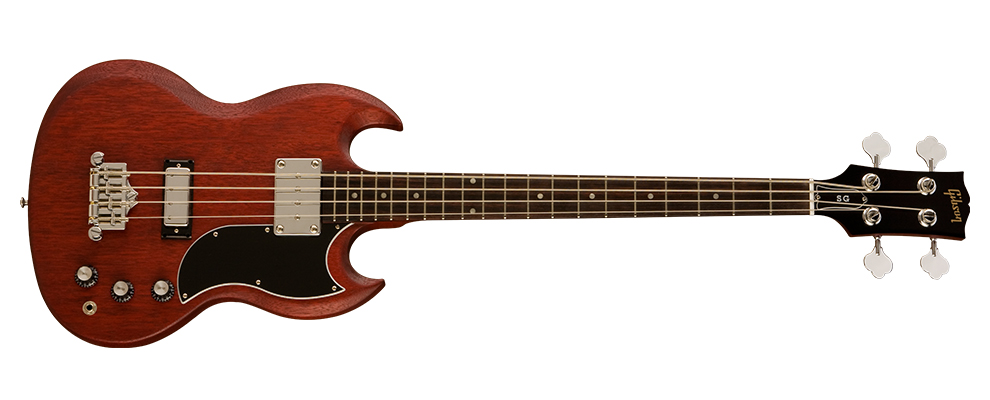
SG Standard Bass

gibson electric bass guitar

Gibson USA
SG Standard Bass Faded

gibson electric bass guitar

Epiphone
Thunderbird Pro IV

gibson electric bass guitar

Epiphone
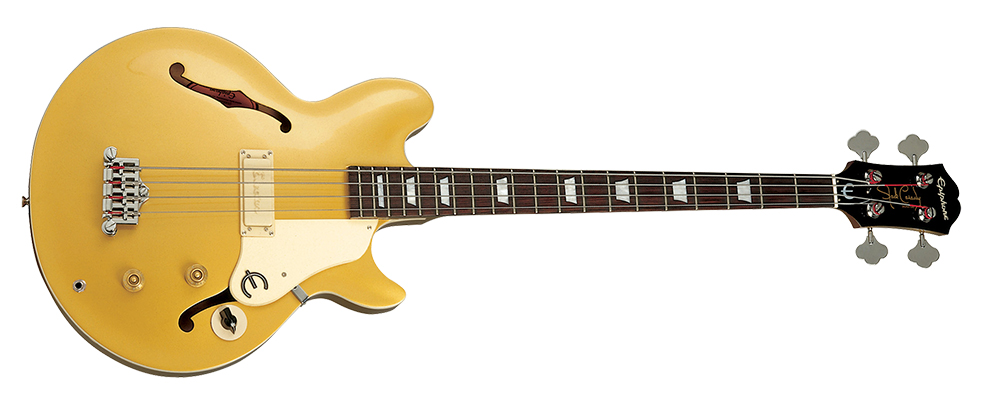
Jack Casady

gibson electric bass guitar

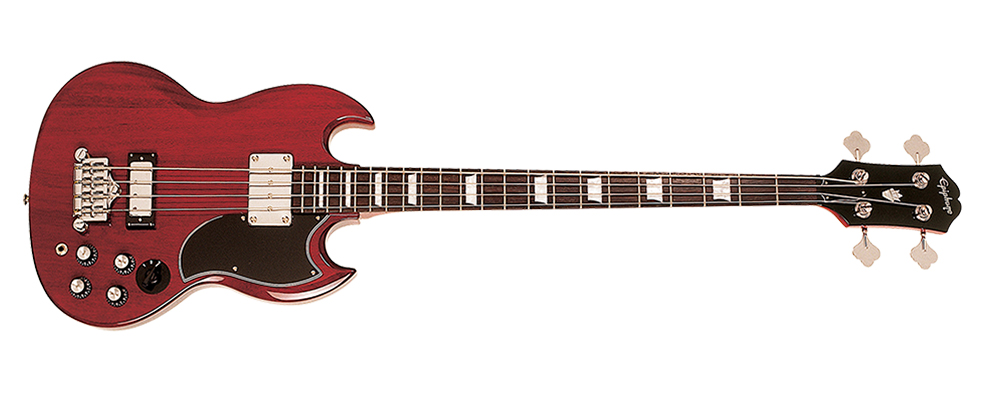
Epiphone
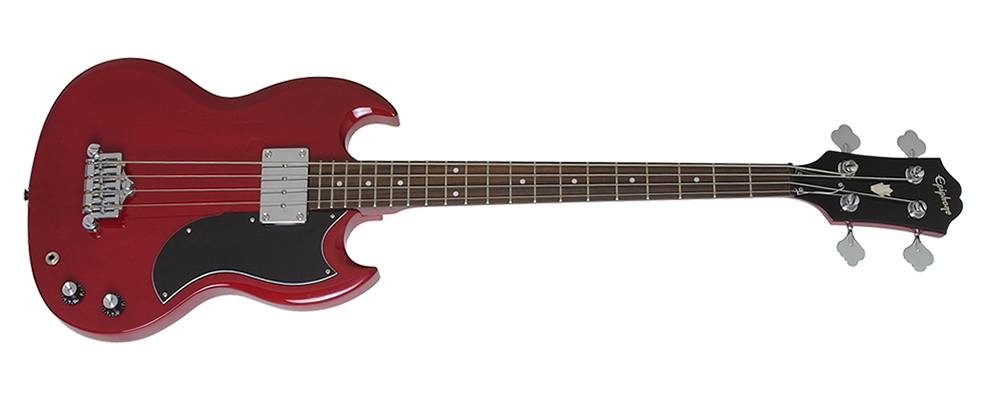
EB-0

gibson electric bass guitar

Epiphone
EB-3

gibson electric bass guitar

Epiphone
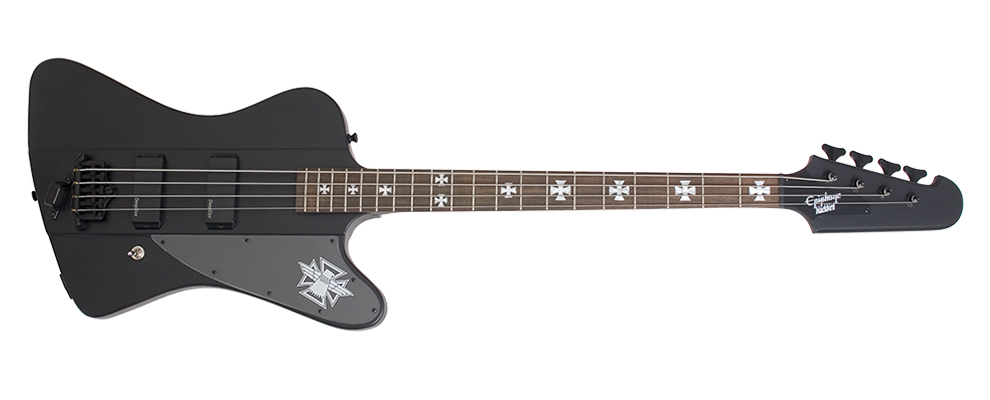
Goth Thunderbird IV

gibson electric bass guitar

Epiphone
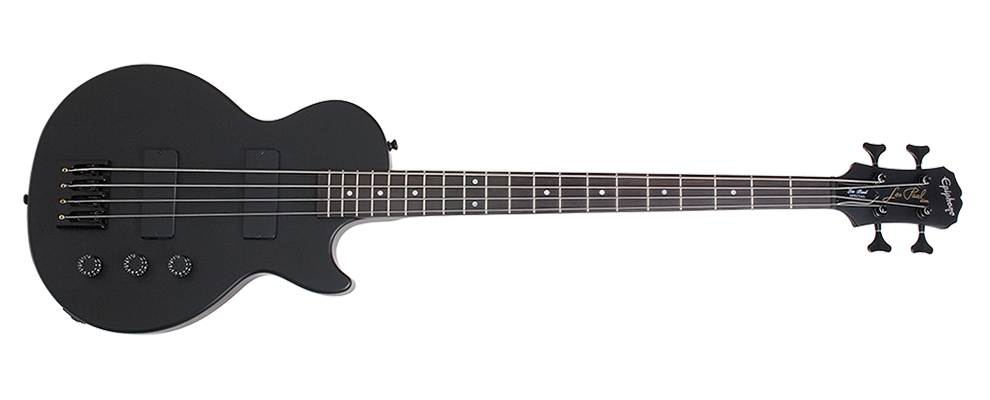
Les Paul Special

gibson electric bass guitar

Epiphone
Nikki Sixx Blackbird

gibson electric bass guitar

Epiphone
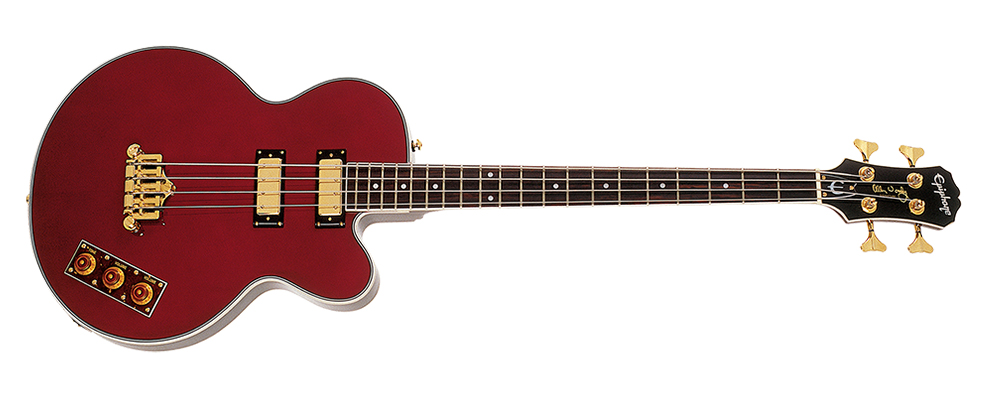
Allen Woody Rumblekat

gibson electric bass guitar

Epiphone
Viola

gibson electric bass guitar

Epiphone
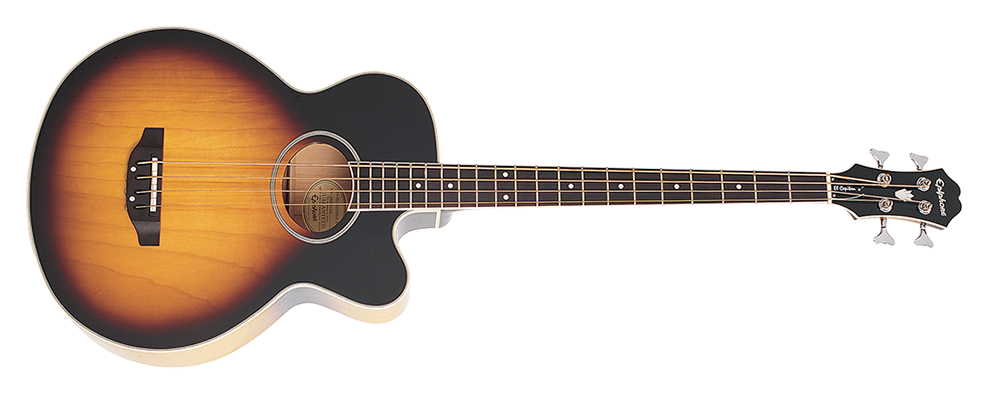
El Capitan

gibson electric bass guitar

Gibson USA
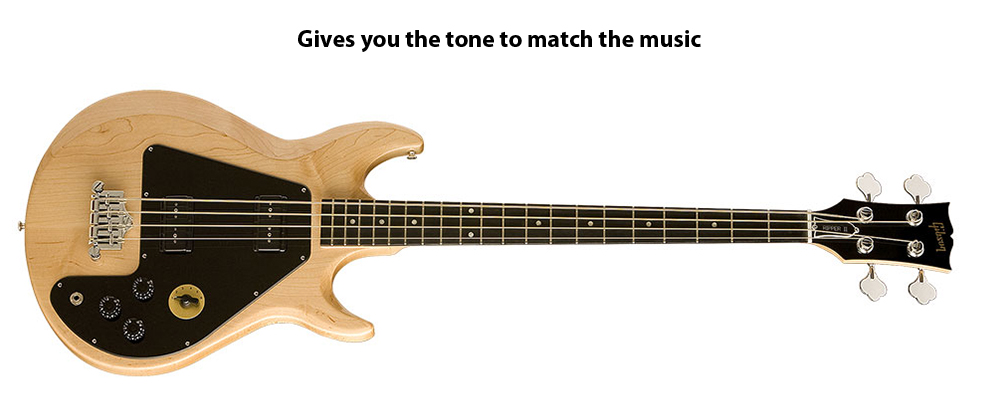
Ripper II Bass

gibson electric bass guitar

gibson electric guitar singlecut

Kramer
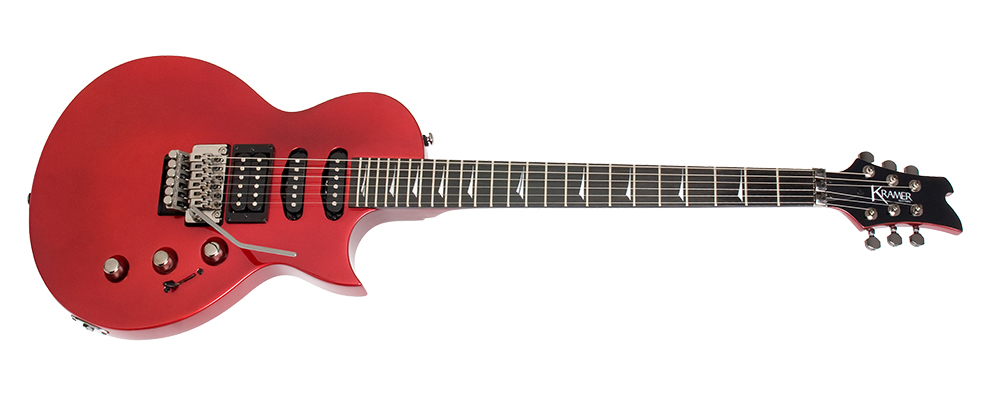
Assault 211

gibson electric guitar singlecut

Kramer
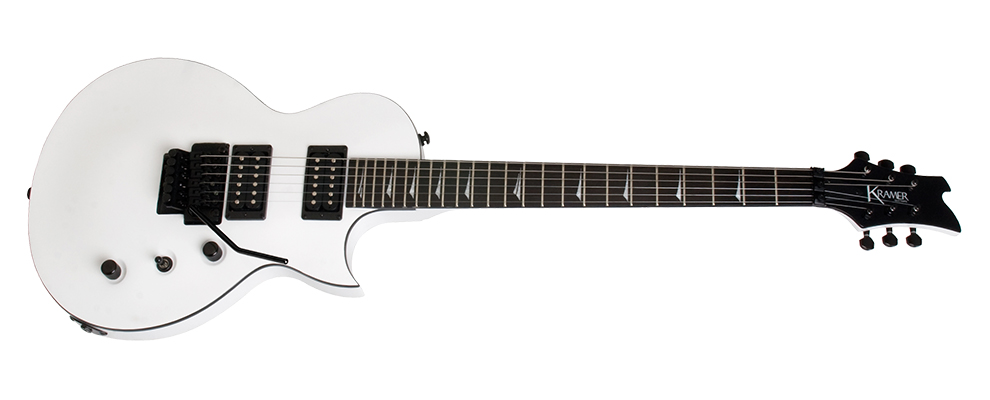
Assault 220

gibson electric guitar singlecut

Gibson Les Paul Doublecut

The Gibson Les Paul Doublecut is a double-cutaway version of the Gibson Les Paul electric guitar.

Models

Except for Gibson Custom Shop/Historic models, there are currently four types of the Les Paul double cut model, all of which have been discontinued:

Les Paul Doublecut Pro
Les Paul Faded Doublecut
Les Paul Standard Doublecut Plus
Les Paul DC AA Top

Historic models include

1960 Les Paul Special Double Cutaway VOS
Custom 1960 Les Paul Special Double Cutaway
1958 Les Paul Junior Double Cutaway VOS

Custom Shop models

Les Paul Doublecut Longhorn


Les Paul Faded Doublecut

The Faded Doublecut has its origin in the Les Paul Special Doublecut, which is an all-mahogany flat-top guitar with P-90 pickups first produced from 1958–1960. The "Faded" model is called such because it does not have a glossy nitrocellulose finish, and has "wear" marks added at the factory to make the guitar look aged. The body is composed of multiple mahogany (usually four) pieces and is sold with a gig-bag (as opposed to a hard-case).

Doublecut design

The Doublecut had one major design change: the original models had the neck pickup mounted closer to the neck/body join which resulted in a weak neck join. This was changed by moving the neck pick up further into the body.

Other faded finish models

The "Faded Doublecut" is one of a series (at least as of 2007) "faded" models being the SG, Les Paul (single cut with humbuckers) and Flying V. All of these models are made in the USA.

Les Paul Special Doublecut

It is also one of the cheapest Les Paul guitars available. It appears that Gibson has since decided to discontinue much of the faded lines, including the Les Paul Special Double cut for its 2009 lineup.

A much more expensive and historically accurate version of this guitar, the 1960 Les Paul Special, is available as a Custom Shop/Historic Reissue model.

For many years after 1960 no Les Paul Doublecut guitars were produced by Gibson, and when Gibson did start making doublecut Les Pauls again, they were re-issues closely following the original Les Paul Special flat-top (no arched maple cap) design, with P-90 pickups rather than humbucker pickups. In the interim, during the 1970s, a small boutique USA guitar producer, Hamer, began making both flat-top and arch-top doublecutaway guitars very similar to the then-dormant Gibson designs. These Hamer versions of doublecutaway Les Pauls got widespread publicity for their use by the members of the rock band Cheap Trick and others.
Les Paul Standard & Pro Doublecut

The Les Paul Standard and Pro models of the doublecut LP are a newer concept, based on an arched-top Les Paul with humbucker pickups, similar to the Hamer design. The Pro has 22 frets; the Standard has 24 frets. Unlike other 2-pickup single cutaway Les Pauls, these Gibson doublecutaway versions have one master volume and one master tone control (singlecut Les Pauls with two pickups have two sets of tone and volume controls, one for each pickup). Many believe these newer archtop doublecut Les Pauls were developed in response to the high-end guitars of Gibson competitor Paul Reed Smith (PRS), whose PRS guitars most typically have a doublecut design and master tone and volume controls, and whose production eventually went from a small shop (as Hamer's has stayed) to an assembly-line production rivaling Gibson's. This opinion is further supported by the fact that the first of Gibson's archtop doublecut Les Pauls, the now-discontinued Les Paul Studio doublecut (produced in the late 1990s), had 24 frets, as opposed to Gibson's more standard 22 frets. 24-fret necks are featured on some PRS guitars, and are more popular with heavy metal players who often solo at the high end of the neck. Thus the archtop Gibson Les Paul doublecut models are seen by many to be one of Gibson's bids to stay competitive with more "modern" oriented rock guitarists, though many doublecut owners do not play metal or similar styles.
Les Paul Junior Doublecut

Another version of the Les Paul Doublecut is the Les Paul Junior Doublecut. Like the singlecut version of the LP Junior, it has a single "dog-eared" P-90 single coil pickup. This Les Paul doublecut is currently only available as a Gibson Custom Shop/Historic Reissue model, called the "1958 Junior Doublecut." The Junior, in both its singlecut and doublecut forms, was originally Gibson's "student" model. The initial price of the Les Paul Junior was originally $49.50.

Kramer
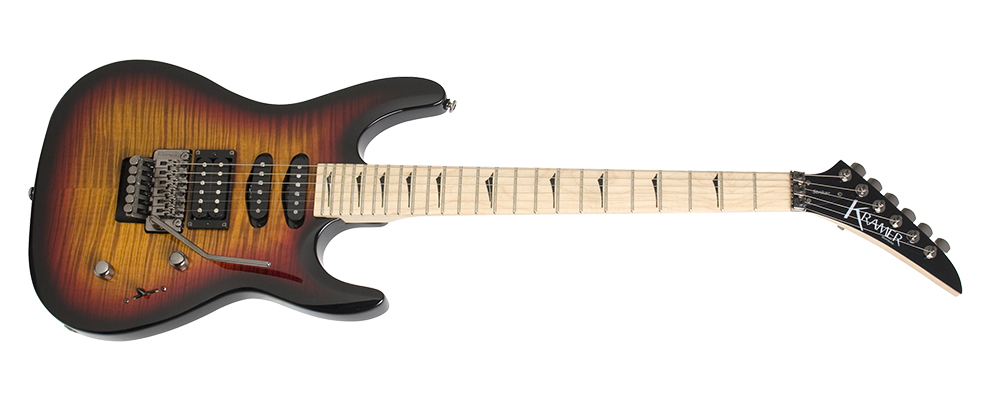
Striker 211

gibson electric guitar doublecut

Epiphone
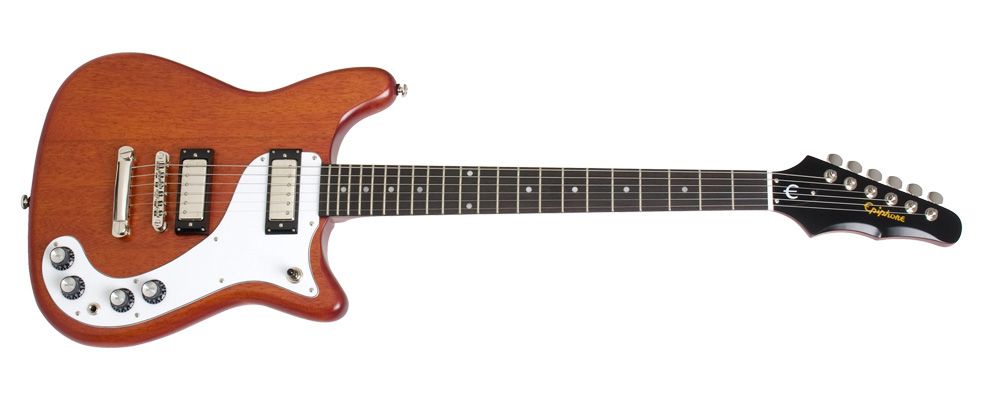
1966 Wilshire

gibson electric guitar doublecut
Epiphone
1966 Worn Wilshire Tremotone

gibson electric guitar doublecut
Kramer
Pacer Classic

gibson electric guitar doublecut
Kramer
Pariah

gibson electric guitar doublecut
Epiphone
Ltd Ed Wilshire

gibson electric guitar doublecut
Epiphone
1962 Wilshire

gibson electric guitar doublecut